
Rear-End Collisions in Phoenix, AZ: Who’s at Fault and the Big Exceptions
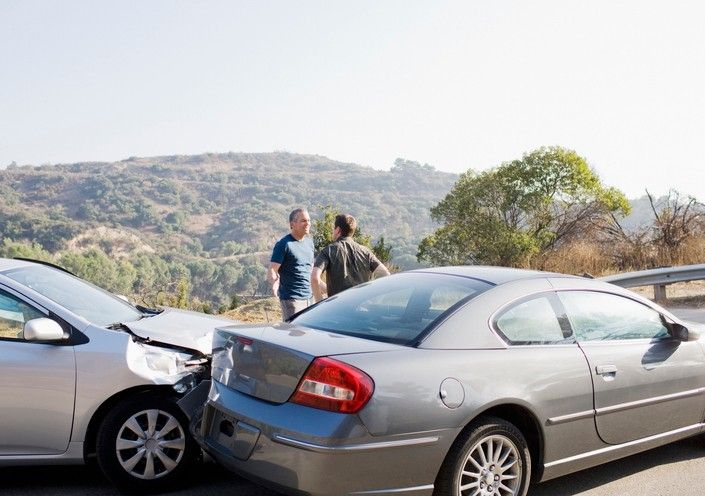
Who’s at Fault for a Rear-End Collision in Phoenix, AZ?
Rear-end collisions are among the most common crashes on Phoenix roads, and many drivers assume the rear driver is always at fault. However, that assumption can hurt you, especially when an insurance company is looking for any reason to reduce or deny your claim.
Rear-end collision fault isn’t automatic. It depends on what both drivers did, how traffic was moving, and whether road or vehicle conditions played a role. Understanding how fault is actually determined gives you a real advantage when dealing with insurers after a crash.
Why Rear-End Accidents Are So Common in Phoenix
Phoenix’s rapid growth hasn’t always been matched by road capacity. The result is congestion, sudden slowdowns, and a high volume of rear-end crashes across Maricopa County. High-risk corridors include I-10 near downtown and the Stack, Loop 101, and Loop 202 during merging traffic, and SR-51 during rush hour. Add frequent construction zones and packed surface street intersections, and you have the perfect conditions for abrupt braking and chain reaction rear-end crashes involving multiple vehicles.
The General Rule of Fault in Rear-End Collisions
Under Arizona law, drivers must maintain a safe following distance, stay alert, and control their speed to match traffic conditions. Because of this, the rear driver is typically presumed at fault when a collision occurs. A driver who rear-ends another vehicle either followed too closely, reacted too slowly, or failed to anticipate normal traffic patterns. Insurance companies apply this presumption almost automatically. However, this is just a starting point and not a final answer.
When the Front Driver May Share or Bear Fault
Rear-ended, not my fault exceptions do exist, and they matter. Arizona follows a pure comparative negligence system, which means fault can be divided between drivers, and insurers actively look for ways to assign partial blame to the front driver. A front driver may share responsibility if they:
- Have nonfunctioning brake lights
- Cut into a lane and brake immediately without a traffic reason
- Reverse unexpectedly into traffic
- Engage in intentional brake-checking
- Make an unsafe lane change directly in front of another vehicle
What About Multi-Vehicle Rear-End Crashes in Phoenix?
A chain-reaction rear-end collision adds another layer of complexity. When three or more vehicles are involved, the question isn’t just who hit whom; it’s also about timing, spacing, and whether any driver was pushed forward by an initial impact. Investigators and attorneys typically examine:
- Which vehicle caused the first impact
- Whether intermediate vehicles were thrust into others involuntarily
- How closely each driver was following
- What traffic conditions looked like at the time
Rear-End Accidents Involving Sudden Stops
Sudden stops are one of the most contested issues in rear-end collision fault disputes. Drivers are expected to anticipate normal traffic changes, but not every abrupt stop qualifies as reasonable driving behavior.
Fault may shift if the front driver stopped to avoid missing a turn, braked to check a phone or adjust GPS, or intentionally brake-checked the vehicle behind them. That said, the rear driver can’t simply claim “they stopped too fast” without supporting evidence. Dashcam footage, skid mark analysis, and eyewitness accounts all play a role in sorting out these disputes.
What to Do After a Rear-End Accident
What you do in the hours and days after a crash can have a direct impact on your claim. Here’s what to do after a rear-end accident:
- Call law enforcement and get an official crash report filed.
- Seek medical attention promptly, even if you feel fine initially.
- Photograph everything, including vehicle damage, road conditions, skid marks, and traffic signage.
- Collect witness contact information before people leave the scene.
- Avoid speculating about fault at the scene or with the insurance adjuster.
- Preserve any dashcam footage before it gets overwritten.
Common Injuries in Rear-End Collisions
Rear-end crashes cause serious injuries even at relatively low speeds. Insurance adjusters often downplay these injuries, but medical records tell a different story. Common injuries include:
- Whiplash and soft tissue damage
- Herniated or bulging discs
- Concussions and traumatic brain injuries
- Shoulder and knee injuries
- Aggravation of pre-existing conditions
Could the Lead Driver Be at Fault in a Rear-End Wreck?
Under Arizona’s pure comparative negligence system, a driver can recover compensation even if they share partial blame. However, their damages are reduced proportionately. A driver found 20% at fault, for example, can still recover 80% of their total damages.
This system sounds fair in theory, but in practice, insurers use it strategically. Assigning even a small percentage of fault to you directly reduces what they have to pay. A 10% fault finding on a $100,000 claim saves them $10,000. That’s why it pays to push back on partial fault arguments with solid evidence, especially in cases involving sudden stops, brake light failures, or aggressive driving by the front vehicle.
Speak With a Phoenix Rear-End Accident Lawyer Today
Rear-end collisions in Phoenix are rarely as straightforward as they seem. Whether you’re dealing with a chain reaction rear-end crash on a freeway, a dispute over brake lights not working, or an insurer arguing comparative negligence rear-end rules to limit your payout, having legal guidance early can protect your claim.
At Gelfand Law, we work with Phoenix crash victims to evaluate fault, challenge unfair liability arguments, and pursue compensation that reflects the real impact of the crash. If you have questions about who’s at fault for rear-ended collisions, contact us today for a consultation. We’ll review the facts of your case before the insurance company locks in their version of events.
Call Now (480) 454-1005
Contact Us For a Free Consultation
Call Now (480) 454-1005
