
Side Impact Collisions: Discover The 6 Things That Makes These Some of The Most Dangerous Accidents
What Are Side Impact Collisions?
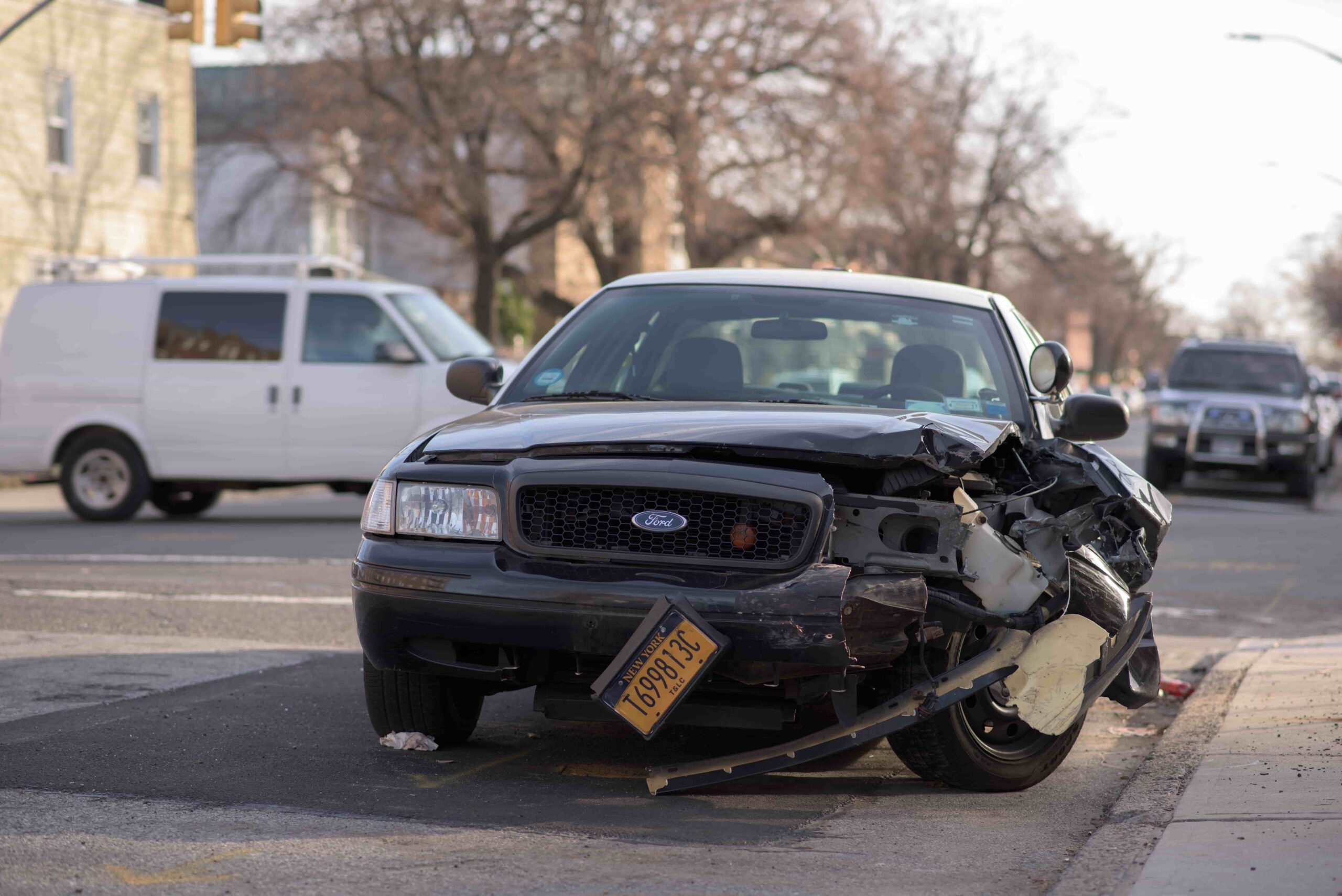
Side impact collisions, sometimes referred to as “broadside” or “T-bone” collisions, take place when two vehicles hit each other at nearly a 90-degree angle. This type of crash is unlike head-on or rear-end collisions as it occurs when one vehicle’s doors meet the side of the other car–creating an ‘T’ shape.
The most frequent place for side impact collisions are intersections. Take Driver A, who is lawfully passing through an intersection, and Driver B coming from the opposite direction who disregards the red light at the junction and crashes into the side of Driver A’s vehicle simultaneously.
What Makes Side Impact Collisions So Dangerous?
Modern vehicles are designed to mitigate the force of a head-on or rear-end collision. If you get hit from the front, your car’s bumper, engine, and driver’s side airbag–combined with the other vehicle’s “crumple zones”–will absorb some of the kinetic energy from the crash, hopefully limiting any injuries. On the other hand, in a side impact accident you’re generally only guarded by your door and glass.
In side impact collisions, the struck car can spin or be flipped over, leading to additional impacts with different objects and structures. Unlike other types of accidents, even if the speed of the collision is not high, you are still likely to experience its full force.
In 2015, 5,593 individuals passed away in side-impact collisions at a national level. The Insurance Institute for Highway Safety’s latest statistics indicate that these incidents are responsible for approximately 25% of fatal auto accidents. Of the fatalities, about 3,800 occurred in cars with the rest split between trucks and SUVs.
Types of injuries that are expected:
Are my injuries the fault of the other driver?
Spinal and neck injuries. The neck experiences a severe jolt from the rapid movement of the head during automobile accidents because the head typically remains stationary upon impact. This abrupt motion strains and stretches ligaments and muscles in the neck, and when the head follows suit, it pulls in another direction to add strain on the spine resulting in whiplash.
Are my injuries the fault of the other driver?
Determining who had the right of way is essential in inside-impact car accidents, as these collisions usually happen when one driver breaks traffic laws or ignores the other’s legal right to be in the intersection. In many cases, figuring out who was at fault is uncomplicated. If responsibility is clear, the liable motorist may acknowledge it.
In the event of a “he said, she said” dispute, certain steps must be taken in order to save any evidence that might demonstrate the other motorist’s accountability; these are:
Be wary of the first offer from an insurer since they are looking to protect their insured and themselves, not you. If the other motorist admits fault, their insurance company might be willing to settle quickly in order to avoid a personal injury lawsuit.
Settling quickly after a side impact collision is often not wise, as numerous significant injuries, such as whiplash and concussions, may not be evident for weeks. Thus, it is inadvisable to let the opposing driver’s insurance company pressure you into accepting a settlement that may not cover all of your medical costs.
Contact Us| Free Consultation
At the Law Office of Erica Gelfand, we strive to secure the highest settlement for you and your suffering. Taking just a few clicks on our website or a quick phone call, we can have this process done for you. Reach out to us today at (480) 602-7267!
Call Now (480) 602-7267
Contact Us For a Free Consultation
Call Now (480) 602-7267
