T-Bone (Side-Impact) Crashes at Phoenix Intersections: Evidence That Wins These Cases
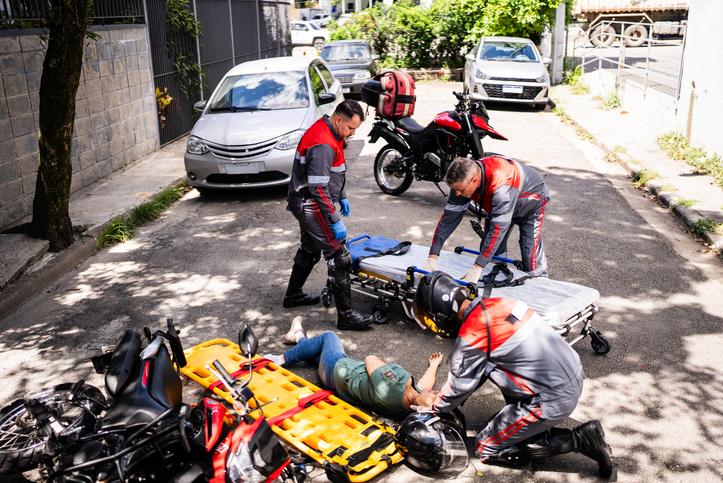
Side-impact crashes at busy intersections change lives in seconds, and solid evidence often decides how these cases play out. This blog focuses on the evidence that strengthens claims after a T-bone accident in Phoenix, AZ. Gelfand Law brings focused experience in auto accident litigation, including intersection crashes involving left turns, red-light accidents, and broadside collisions.
You’ll find clear explanations of how intersection camera footage, vehicle damage patterns, witness accounts, and police reports fit together to show fault. Our goal remains direct and practical: to show how the right evidence supports fair outcomes after serious side-impact collisions.
Determining Fault in T-Bone Crashes
Fault plays a major role in the outcome of a T-bone accident claim. Side-impact crashes often happen fast and leave little time to react, especially during a busy intersection crash. Determining responsibility requires attention to traffic laws, vehicle movement, and available evidence. Police reports, intersection camera footage, and witness accounts often shape the analysis.
Insurance carriers also review driver behavior before impact, including speed and signal compliance. The following points explain how faults commonly get established:
- Right-of-Way Rules – Traffic signals, stop signs, and yield signs carry legal authority and guide fault decisions. A driver who enters an intersection without the right-of-way typically carries primary responsibility for a side-impact collision.
- Comparative Negligence in Arizona – Arizona follows comparative negligence rules, which allow fault to be shared between drivers. Compensation may be adjusted based on each driver’s actions, such as spending or delayed braking.
- Common Scenarios – Left turn accidents often occur when a driver misjudges oncoming traffic. Red light accidents usually place fault on the driver who failed to stop before entering the intersection.
Evidence That Wins T-Bone Crash Cases
Winning a T-bone collision case depends on clear, reliable proof that explains how the impact occurred and why injuries followed. Side-impact crashes often involve competing stories, which makes credible records essential. Evidence gathered at the scene, along with technical data collected later, helps show the fault and damage.
Items such as intersection camera footage give claims a visual timeline that supports accountability. When documentation aligns across multiple sources, insurers and opposing parties gain little room to challenge responsibility. Here is a look at the evidence that wins T-bone crash cases:
- Police Reports – Officers record roadway conditions, vehicle positions, and traffic control devices. These reports often include early fault indicators that shape liability discussions.
- Witness Statements – Third-party witnesses describe what they say before and during the collision. Their observations can confirm speeding, signal violations, or unsafe turns.
- Traffic Camera Footage – Video captures signal timing and vehicle movement through the intersection. This visual record often resolves disputes about right-of-way.
- Accident Scene Photos – Photographs show damage angles, debris location, and roadway markings. These images help explain the force and direction of impact.
- Black Box Data – Vehicle data reveals speed, braking, and throttle use just before the crash. This information offers objective insight into driver actions.
- Medical Records – Treatment notes link injuries directly to the collision event. These records outline recovery needs and long-term effects.
- Expert Testimony – Specialists analyze evidence using established methods. Their explanations help connect technical details to real-world outcomes.
Steps to Take After a T-Bone Crash in Phoenix
A T-bone crash often happens without warning and leaves drivers shaken. Clear action taken soon after the impact can protect health, strengthen an insurance claim, and preserve important details. Order and accuracy matter in the moments that follow the crash. Focusing on safety, documentation, and communication creates a strong foundation for any next steps. The list below outlines practical actions that support recovery and accountability after a serious intersection collision:
- Secure the Scene and Check for Injuries – Drivers should move to a safe location when possible and turn on hazard lights. Emergency services need prompt contact if injuries or traffic hazards are present.
- Call Law Enforcement – Police officers document vehicle positions, roadway conditions, and driver statements. An official report provides a neutral account of the event.
- Gather Information at the Scene – Exchanging contact and insurance details helps prevent delays later. Photos of damage, signals, and the intersection preserve details that fade quickly.
- Seek Medical Evaluation – Medical care should follow, even when the pain feels minor. Records created that day link injuries directly to the crash.
- Avoid Detailed Statements to Insurers – Insurance adjusters may request explanations soon after the collision. Basic facts work better than opinions or guesses.
- Preserve All Records and Evidence – Receipts, photos, and communication logs support accuracy. Organized files reduce stress during the claim process.
Compensation You May Be Entitled To
Victims of side-impact collisions often face mounting financial pressures and physical limitations. You can seek restitution for every economic loss, including emergency room bills, ongoing physical therapy costs, and lost wages from missed work shifts. Egal claims also cover non-economic damages like chronic physical pain, emotional distress, and the loss of enjoyment in daily hobbies. If the negligent driver acted with extreme recklessness, the court might award punitive damages to punish that behavior. Securing a full settlement ensures that your family remains financially stable during your recovery process.
How a Personal Injury Lawyer Can Help
Crashes often create confusion, stress, and unanswered questions about fault and recovery. Side-impact collisions involve detailed investigations, layered insurance policies, and strict deadlines. Legal support brings structure to the process and keeps the claim focused on accurate facts. Careful case management helps preserve evidence, track damages, and present a clear demand for recovery.
When injuries affect work, health, or daily routines, experienced representation provides steady direction and informed decision-making throughout the claim. The list below highlights how a personal injury lawyer can help you:
- Proving Fault – A personal injury lawyer gathers records, photographs, and expert analysis to show how the collision occurred. Clear fault evidence strengthens leverage during insurance discussions.
- Negotiations With Insurance Companies – Insurers often limit payouts through quick offers or selective reviews. Legal representation handles communication and pushes for fair claim evaluation.
- Maximizing Compensation – A lawyer identifies medical costs, income loss, and long-term effects. Complete damage documentation supports stronger settlement demands.
- Litigation Support – Some cases require court involvement to resolve disputes. Legal guidance manages filings, strategy, and advocacy through trial preparation.
Find Help for Your Side-Impact Collision
A T-bone accident can change daily life in an instant, bringing pain, confusion, and financial pressure. Clear guidance helps restore confidence and control after a serious intersection collision. Reliable support focuses on facts, communication, and respectful service from start to finish. Speaking with a legal professional offers answers, direction, and a path forward. Reach out today to discuss next steps and protect the time, health, and stability that matter most to you.
Call Now (480) 454-1005
Contact Us For a Free Consultation
Call Now (480) 454-1005
